
The Future of Urban Mobility: Why E-Bikes Are Changing the Way We Commute
The Future of Urban Mobility: Why E-Bikes Are Changing the Way We Commute

Urban life is changing at a rapid pace. As cities become more crowded and traffic congestion worsens, people are looking for smarter, greener, and more efficient ways to move around. One solution that has gained massive popularity over the last decade is the electric bike, or e-bike. Far from being a passing trend, e-bikes are reshaping how we think about daily commuting. They combine the freedom of cycling with the practicality of motorized support, offering a reliable alternative to cars and public transport. But why are e-bikes at the center of the urban mobility revolution, and what does the future hold for them?
Why Urban Mobility Needs a Shift
For decades, cars have dominated city landscapes. While they offer convenience, they also come with undeniable downsides: traffic jams, pollution, rising fuel prices, and limited parking space. According to the World Health Organization, air pollution causes millions of premature deaths each year, and transportation is one of the main culprits.
Urban planners and governments now face an urgent question: how can cities remain functional, sustainable, and livable while accommodating growing populations? The answer lies in redefining urban mobility — moving away from car-centric models toward more flexible, eco-friendly options.
The Rise of E-Bikes
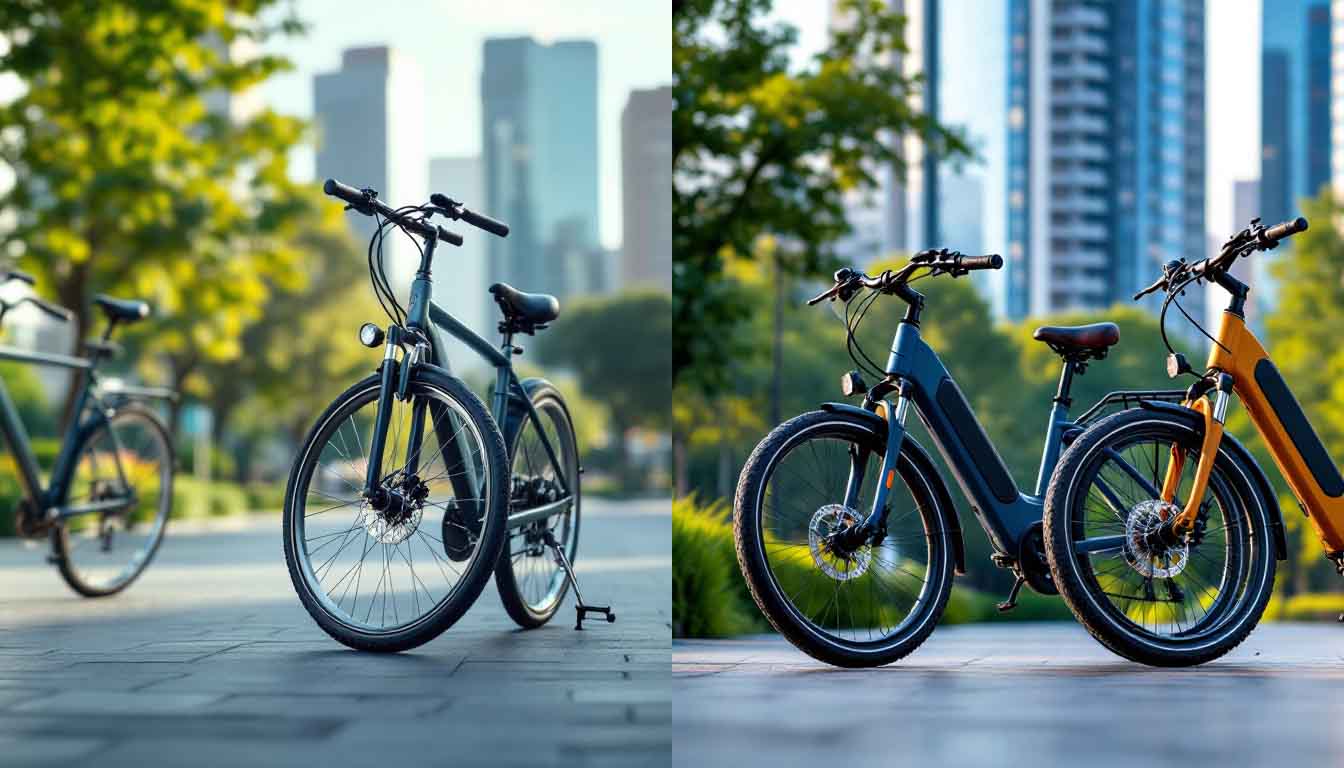
E-bikes bridge the gap between traditional bicycles and motor vehicles. They use a battery-powered motor to assist pedaling, making longer commutes and uphill rides much easier. Over the past five years, global sales of e-bikes have skyrocketed. According to Deloitte, it is estimated that more than 300 million e-bikes will be in circulation worldwide by 2030.
Several factors explain this rapid adoption:
-
Convenience: Riders can avoid traffic while still covering significant distances.
-
Affordability: Compared to owning a car, e-bikes require minimal maintenance and no fuel.
-
Health benefits: Unlike scooters or motorbikes, e-bikes still encourage physical activity.
-
Eco-friendliness: They produce zero emissions, contributing to cleaner air in cities.
How E-Bikes Are Changing the Way We Commute
1. Reducing Traffic Congestion
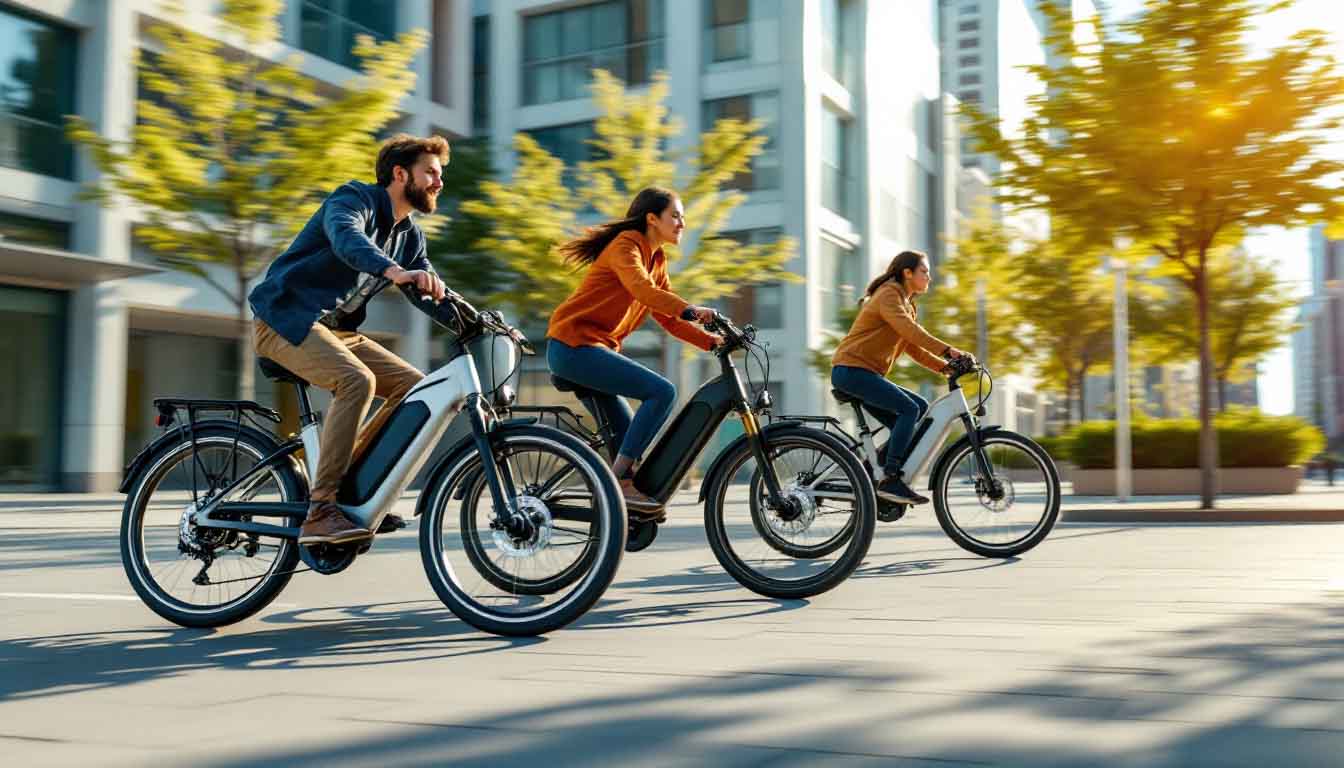
One of the greatest advantages of e-bikes is their ability to cut through city traffic. Many cities now have dedicated cycling lanes, allowing e-bike commuters to bypass long lines of cars and reach their destinations faster.
2. Affordable Urban Transport
Owning a car comes with multiple expenses: insurance, parking fees, fuel, and maintenance. In contrast, e-bikes offer a cost-effective mobility solution. For the price of a few monthly fuel bills, commuters can purchase an e-bike and save money in the long run.
3. Promoting Sustainable Cities
Sustainability is no longer optional; it’s a necessity. E-bikes reduce reliance on fossil fuels and lower carbon footprints. When more people switch to e-bikes, the overall demand for energy-intensive transport decreases, making cities more resilient to environmental challenges.
4. Health and Lifestyle Benefits
E-bikes encourage people to move more, even if they don’t have the stamina for long-distance cycling. The pedal-assist system allows riders to stay active without overexertion. Studies show that e-bike users cycle more often and longer distances compared to traditional bike riders, creating long-term health benefits.
Challenges Facing E-Bikes
While the benefits are clear, there are also challenges:
-
Infrastructure: Many cities still lack proper bike lanes and charging stations.
-
Safety concerns: Sharing the road with cars and buses can be intimidating for new riders.
-
Regulation: Different regions have varying laws about maximum speed, licensing, and helmet requirements.
-
Battery disposal: As with electric cars, managing e-bike batteries sustainably is an ongoing issue.
Government and Corporate Support
Governments across the world are recognizing the potential of e-bikes. In Europe, countries like Germany, the Netherlands, and France offer subsidies to encourage e-bike adoption. In the U.S., some cities have launched pilot programs to integrate e-bikes into public transportation systems. Corporations are also catching on: delivery companies such as UPS and Amazon are testing e-bikes for last-mile logistics in crowded cities.
The Future of Urban Mobility with E-Bikes
The e-bike revolution is just beginning. Looking ahead, several trends will shape the next decade:
-
Smarter Technology: Integration of GPS, anti-theft systems, and app connectivity will make e-bikes even more user-friendly.
-
Battery Innovation: Lighter, longer-lasting, and faster-charging batteries will boost adoption.
-
Shared Mobility: E-bike sharing platforms, similar to existing scooter-sharing services, will expand in urban centers.
-
Urban Redesign: As demand grows, cities will invest more in cycling infrastructure, making roads safer for e-bikers.
Conclusion
The future of urban mobility is electric, efficient, and sustainable — and e-bikes are leading the way. They offer a practical solution to many of the problems cities face today: pollution, congestion, and high commuting costs. More than just a trend, e-bikes represent a cultural shift in how we view transportation.
As technology advances and cities adapt, e-bikes will play a central role in shaping healthier, greener, and more connected urban lifestyles. Whether you are a daily commuter, an occasional rider, or a business looking for sustainable logistics, e-bikes are set to redefine the way we move.
RELATED POSTS



HOVERFLY OUREA 26" Electr...
$449.99 (as of August 20, 2025 03:25 GMT +00:00 - More infoProduct prices and availability are accurate as of the date/time indicated and are subject to change. Any price and availability information displayed on [relevant Amazon Site(s), as applicable] at the time of purchase will apply to the purchase of this product.)
Ridstar Electric Bike for...
$529.00 (as of August 20, 2025 03:25 GMT +00:00 - More infoProduct prices and availability are accurate as of the date/time indicated and are subject to change. Any price and availability information displayed on [relevant Amazon Site(s), as applicable] at the time of purchase will apply to the purchase of this product.)
Qlife Racer Electric Bike...
$439.99 (as of August 20, 2025 03:25 GMT +00:00 - More infoProduct prices and availability are accurate as of the date/time indicated and are subject to change. Any price and availability information displayed on [relevant Amazon Site(s), as applicable] at the time of purchase will apply to the purchase of this product.)
Qlife Cityone 26" Electri...
$219.99 (as of August 20, 2025 03:25 GMT +00:00 - More infoProduct prices and availability are accurate as of the date/time indicated and are subject to change. Any price and availability information displayed on [relevant Amazon Site(s), as applicable] at the time of purchase will apply to the purchase of this product.)